What to check before booking a helicopter ride in Barcelona
Booking a helicopter ride in Barcelona is different from booking a taxi or a museum ticket. The experience depends on weather, airspace rules, flight timing, passenger details, and how clearly the booking is explained. A little checking before payment can prevent confusion later, especially if the flight is part of a birthday, anniversary, or tight travel schedule.
The term tour en helicoptero barcelona is often used in a broad way. It may refer to a short sightseeing flight, a route past well known landmarks, or a more tailored aerial experience. The details matter, because two flights with similar names can feel quite different once you compare route, duration, group size, and meeting arrangements. Read the offer carefully and look for the practical points below.
Route and what you will actually see
Start with the route, not the headline. A flight over Barcelona may mention the coast, the city grid, Montjuic, the port, or the Sagrada Familia area, but the exact path can vary. Check whether the description promises specific landmarks or simply gives examples of views. That distinction helps set realistic expectations.
If seeing a particular place is the reason for booking, ask whether it is normally included and whether the route can change. Weather, air traffic, and local flight rules can affect the path. A clear route description should tell you what the flight is built around, how long the flying time is, and whether the duration refers to time in the air or the whole visit from arrival to departure.
Also check whether the flight is shared or private. A shared flight can be more affordable, but the route and pace may be planned around several passengers. A private flight offers more control, though it still has to follow aviation rules. Neither option is automatically better. The right choice depends on whether you value space, quiet, a custom route, or a lower cost per person.
Meeting point and timing
Find out where passengers are expected to meet and how much time to allow before the flight. Aerial activities usually involve check in, safety briefing, weight checks, and boarding. Arriving at the last minute can mean missing the slot, even if the aircraft is still on the ground.
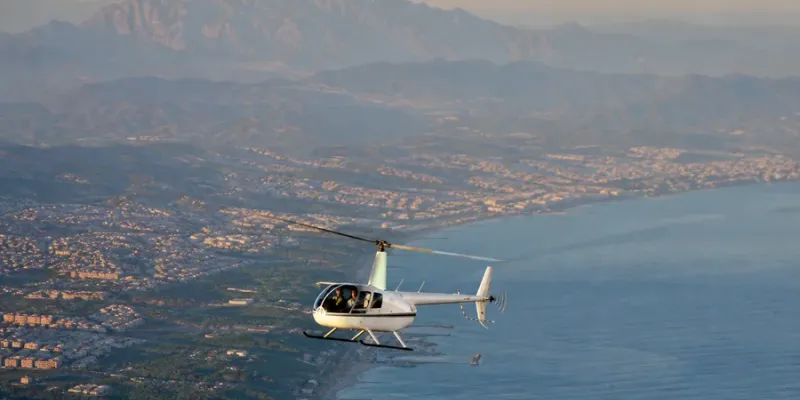
Check the full time commitment. A brief flight may still require a longer visit because of preparation and return transport. Look at the start time as a fixed appointment rather than a flexible arrival window. If you are coming from a cruise terminal, a hotel, or another part of the city, work backwards and leave room for delays.
It is also worth checking what happens if you are late. Policies differ, and a missed slot may not be transferable. That detail is not the most exciting part of planning, but it can save a lot of frustration on the day.
Aircraft, seats, and visibility
Not all helicopter cabins offer the same view. Seating layout, window size, and the position of other passengers can affect what each person sees. If the flight is for photography, ask whether seats can be requested and whether any seats have a more restricted view. A front seat may be desirable, but it can also come with conditions related to weight or age.
Check the passenger limits and whether the operator groups people by body weight. Helicopters have strict loading requirements, and seating decisions are made for safety and balance. This is not a matter of preference alone. Accurate weights at booking help avoid last minute changes.
Think about motion sensitivity too. Helicopter flights can involve turns, banking, and changes in height that feel different from a plane or boat. If passengers are prone to nausea, choose a shorter route and avoid making other firm plans straight afterwards. Motion sickness medication may help some people, but it should be taken according to its label or medical advice.
Safety standards and operator details
Safety checks should be treated as a core part of the decision. Look for clear information about licensing, aircraft maintenance, pilot qualifications, and passenger briefing. A professional operation will be able to explain the basics in plain language without making the topic sound alarming.
Ask how weather decisions are handled. Flights may be delayed, moved, or cancelled when wind, visibility, or cloud cover is not suitable. A responsible operator will not promise that a flight will go ahead in poor conditions. Check the rules for rescheduling or refunds before you pay, then keep the confirmation message somewhere easy to find.
Insurance is another point to clarify. Travel insurance may cover some delays or cancellations, while aviation related cover can be more specific. Read the wording rather than assuming every disruption is included. If the booking is part of a wider trip, a small amount of reading at this stage can prevent a complicated claim later.
Price, inclusions, and payment terms
Compare like with like. One offer may include a transfer, photos, or a longer briefing, while another may cover only the flight. Before choosing, check what is included, what is optional, and what could be added on the day. This is more useful than looking only at the headline amount.
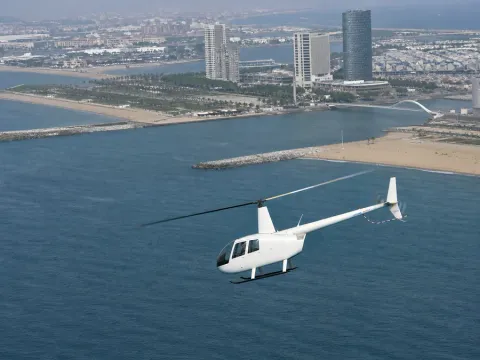
Read the payment terms carefully. Note whether a deposit is required, when the balance is due, and what the cancellation window is. For a trip with fixed dates, flexibility can be worth more than a slightly lower price. Keep written confirmation of the route, date, time, passenger count, and any special requests.
If you are comparing names while searching, Helicopter Tour Barcelona may appear alongside other wording for similar experiences. Treat the name as a starting point and check the actual booking terms, since the details are what shape the day. Clear terms are a good sign because they reduce the chance of misunderstood expectations.
Photography, clothing, and personal items
Many passengers want photographs from the air, but not every phone or camera setup works well through a window. Glass reflections can be strong, and the aircraft moves more than people expect. A simple strap for the phone or camera is sensible, and extra batteries are useful if you plan to take many images. Loose items should be secured so they do not slide around during the flight.
Wear comfortable clothing and avoid anything that flaps or catches easily. Sunglasses can help with glare, particularly when the sun is low. In cooler months, bring a layer that can be removed later, as waiting before boarding may feel different from being in the cabin.
Ask about bag rules before arrival. Space in a helicopter is limited, and large luggage is usually not suitable for a sightseeing flight. If you are travelling directly from an airport or cruise port, confirm where bags can be kept during the experience.
Accessibility and passenger needs
Check whether the meeting location and aircraft boarding suit the people in your group. Boarding may involve a step up into the cabin, and space inside is limited. Passengers with mobility needs, young children, or older travellers should have the details before booking rather than on the day.
Let the operator know about relevant needs in advance. This includes mobility limitations, anxiety about flying, hearing difficulties, or any medical consideration that could affect the flight. A brief conversation before payment is more useful than trying to solve it at the meeting point.
Children may be welcome on some flights, but rules can depend on age, seat availability, and weight. Ask directly if the booking is for a family group. The same applies to pregnant passengers and anyone with a condition that makes uneven movement uncomfortable. Qualified medical advice should guide health related decisions.

How to compare offers calmly
Use a short set of criteria when comparing options: route clarity, flight duration, group size, safety information, cancellation terms, and what happens in bad weather. These points reveal more than polished descriptions. If an offer avoids practical questions or gives vague answers, pause before paying.
Reading recent independent feedback can help, though it should be weighed sensibly. One person may praise the view while another complains about waiting time, and both can be accurate. Look for repeated comments about communication, organisation, and how disruptions were handled. Those patterns are more useful than a single dramatic review.
Finally, keep the booking simple. Choose a time that does not crowd your schedule, confirm the meeting point, and share the plan with everyone in the group. Helicopter Tour Barcelona can be one name among the options you see, while another provider may suit a different schedule or route preference. The best choice is the one whose terms, safety information, and experience match what you expect.
A good booking is not just about finding a flight over the city. It is about knowing what is included, what can change, and how the day will run from arrival to departure. When those points are clear, the experience is easier to enjoy and much easier to fit into a Barcelona itinerary.